Source Truck Brake Light Switch for Auman, RUIWO, and Other Trucks
Find 30 verified listings for the truck brake light switch from suppliers in China. Buyers can compare model numbers like JK938-001 and WG9100710006, check OEM compatibility, and review warranty terms before requesting quotes; compare the available evidence and request quotations based on your requirements.
Key considerations
Products List
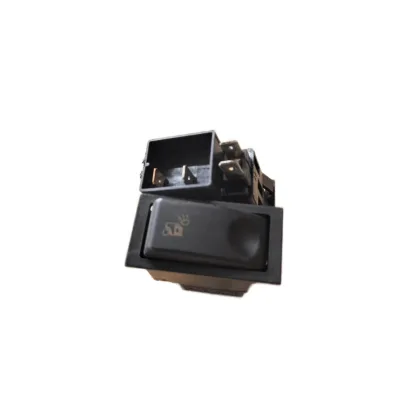
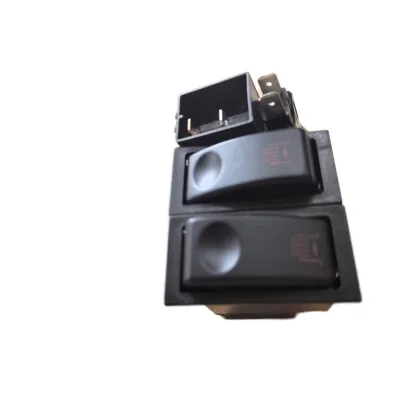
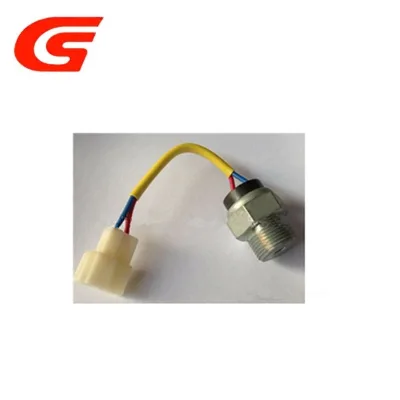
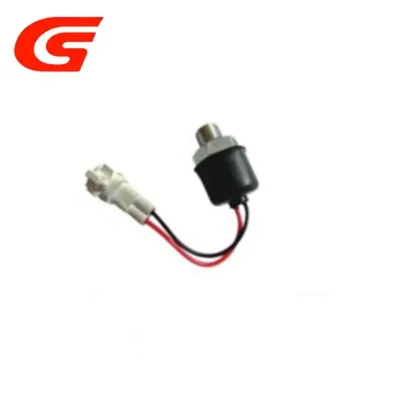
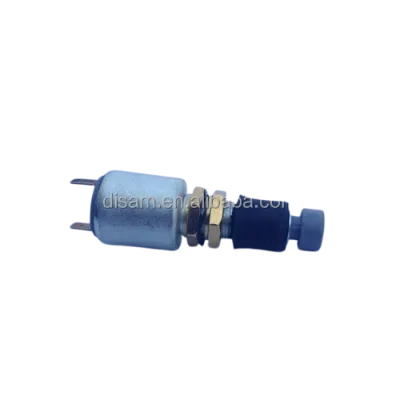


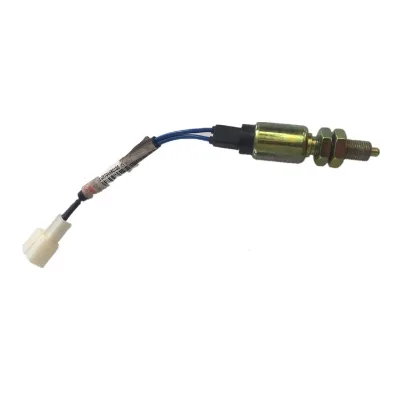

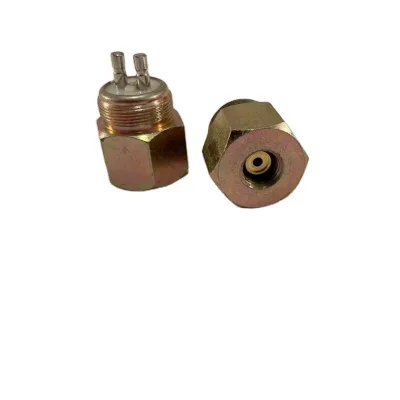
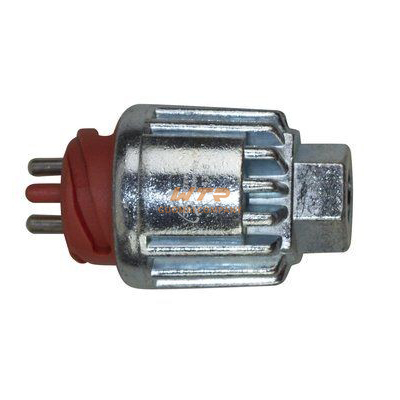
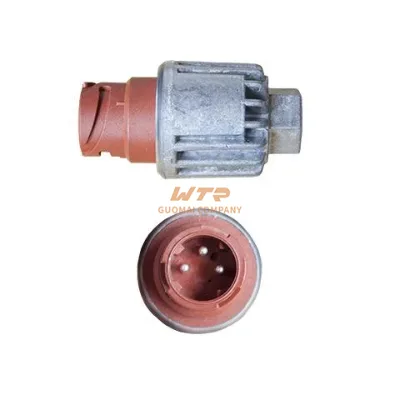
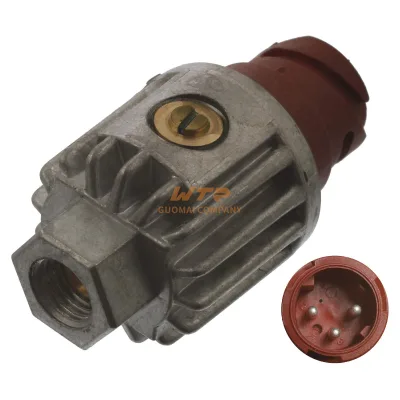


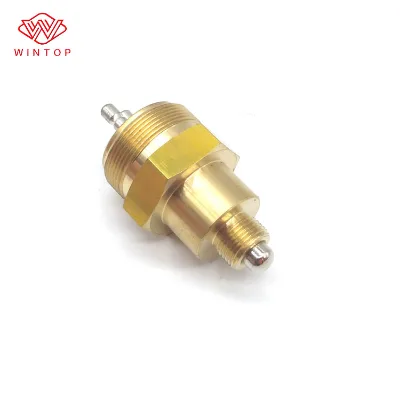
Comprehensive Sourcing Guide
Truck Brake Light Switch Sourcing Guide
Procuring a truck brake light switch requires a disciplined approach to verifying compatibility and supply chain reliability. This component is critical for vehicle safety, as it signals to other drivers when the vehicle is decelerating. Buyers must ensure that the selected part matches the specific electrical and mechanical requirements of the target vehicle model. The observed data indicates a diverse range of origins, including Shaanxi, Zhejiang, and Shandong in China, suggesting a broad manufacturing base.
Understanding the specific application is the first step in narrowing down suitable suppliers. The product listings reference specific truck makes such as RUIWO TRUCK and AUMAN, indicating that generic switches may not fit all heavy-duty applications. Buyers should confirm whether the switch is designed for replace or repair purposes, as this distinction affects the expected lifespan and warranty terms. Additionally, the condition of the item, whether new or brand-new, must be clearly defined in the purchase order to avoid receiving refurbished or used components that may fail prematurely under heavy load conditions.
Product Scope and Observed Listing Signals
The scope of available truck brake light switches includes various model numbers and OEM part references that buyers must cross-reference with their vehicle specifications. High-confidence facts list specific model numbers such as JK938-001, JK933J-007, CS-M2346, and CS-M4175. These identifiers help distinguish between different switch designs and connector types. Buyers should verify that the model number on the supplier’s quote matches the OEM part number required by their fleet maintenance manual to ensure proper fitment and electrical compatibility.
Observed listing signals also highlight variations in brand names and quality descriptors. Some listings specify "Original" or "CS" as the brand name, while others use generic terms like "High Guarantee" or "high quality." These descriptors are marketing terms rather than technical specifications, so buyers should not rely on them alone for quality assurance. Instead, focus on the physical specifications and compatibility data. The presence of multiple origin locations, such as Shaanxi and Zhejiang, suggests that buyers can source from different regions, but they must ensure that the manufacturing process meets their internal quality standards regardless of the geographic location.
Technical Specifications to Verify
Technical verification begins with confirming the electrical parameters of the switch, including voltage rating, current capacity, and connector pin configuration. While the provided data does not list specific amperage or voltage values, buyers must request these details from the supplier. The switch must handle the electrical load of the brake light circuit without overheating or failing. Additionally, the physical dimensions of the switch housing and mounting points must match the vehicle’s dashboard or pedal assembly. Any deviation in size can lead to installation issues or improper sealing, which may compromise the switch’s longevity.
Material composition and environmental resistance are also critical technical specifications to verify. The switch should be constructed from durable materials that can withstand the vibration and temperature fluctuations typical in truck operations. Buyers should inquire about the IP rating for dust and water resistance, especially if the switch is located in an area exposed to road spray or debris. The observed data mentions "same as OEM" for size, which is a useful benchmark, but buyers should still request detailed dimensional drawings to confirm exact fitment. Ensuring that the switch is designed for diesel engine applications, as indicated by the fuel type in related data, helps align the component with the vehicle’s overall powertrain requirements.
Compliance and Safety Documentation
Safety documentation is paramount when sourcing brake light switches, as these components are directly involved in vehicle safety systems. Buyers should request test reports that demonstrate the switch’s performance under various conditions, including high temperatures, vibration, and electrical stress. While the provided data does not specify particular safety standards, buyers should verify that the supplier adheres to relevant industry standards for automotive electrical components. This includes ensuring that the switch meets the necessary electromagnetic compatibility (EMC) requirements to prevent interference with other vehicle systems.
Certification status is another key area for documentation review. The observed data mentions a certification field with "TSCylinder:Multi-cylinder," which appears to be a data entry error or unrelated to the switch itself. Therefore, buyers should not rely on this specific entry and instead request valid certifications from recognized testing laboratories. These certifications should confirm that the switch has undergone rigorous testing for reliability and safety. Additionally, buyers should ensure that the supplier provides a warranty, such as the 12-month or 1-year warranty mentioned in the data, to cover any defects that may arise during the initial period of use.
Cost Drivers and Commercial Terms
Cost drivers for truck brake light switches include the complexity of the switch design, the quality of materials used, and the volume of the order. The observed price range in USD is 1-100, which indicates a wide variance based on these factors. Buyers should request detailed quotations that break down the cost per unit, including any additional charges for packaging, shipping, or customization. The minimum order quantity (MOQ) is a significant cost driver, with observed values ranging from 1 to 500 units. Smaller MOQs may result in higher per-unit costs, while larger orders can leverage economies of scale.
Commercial terms, such as payment methods and delivery times, also impact the total cost of procurement. The observed data mentions delivery times of 1-3 working days for some items and within 30 days for others, depending on the supplier and stock availability. Buyers should negotiate terms that align with their inventory management needs, ensuring that the supplier can meet the required lead times without compromising quality. Additionally, the price item terms, such as EXW, FOB, CFR, CNF, and CIF, affect the total landed cost. Buyers should choose the term that best fits their logistics strategy and risk tolerance, considering factors such as shipping costs and insurance.
Supplier Qualification and Quality Control
Supplier qualification involves assessing the manufacturer’s capabilities, experience, and quality management systems. Buyers should request information about the supplier’s production facilities, including the size of the factory, the number of employees, and the types of equipment used. The observed data indicates that suppliers are located in various regions of China, such as Shandong and Zhejiang, which are known for their manufacturing capabilities. Buyers should verify that the supplier has a robust quality control process in place, including incoming material inspection, in-process checks, and final product testing.
Quality control measures should be documented and auditable, with clear procedures for handling non-conforming products. The observed data mentions "Video outgoing-inspection: Provided," which suggests that some suppliers offer video evidence of the inspection process. While this is a useful tool, buyers should also request physical samples for independent testing. Additionally, the supplier’s ability to provide customization, as indicated by the "Customization: Available" attribute, is a plus for buyers with specific requirements. However, buyers should ensure that customization does not compromise the switch’s performance or safety.
Long-Term Procurement Checks
Long-term procurement checks focus on the supplier’s ability to maintain consistent quality and supply reliability over time. Buyers should establish a performance monitoring system that tracks key metrics such as defect rates, delivery accuracy, and responsiveness to issues. The observed data mentions a warranty period of 12 months or 1 year, which provides a baseline for assessing the supplier’s confidence in their product. Buyers should review warranty claims and resolution times to gauge the supplier’s commitment to customer satisfaction.
Supply chain resilience is another critical aspect of long-term procurement. Buyers should assess the supplier’s ability to manage risks such as raw material shortages, labor disruptions, and geopolitical issues. The observed data indicates that the loading port is Qingdao Port, China, which is a major hub for international shipping. Buyers should consider the logistics implications of this location, including potential delays and costs. Additionally, buyers should explore opportunities for cost reduction through long-term contracts or volume discounts, while ensuring that the supplier remains motivated to maintain high quality standards.
FAQs
What is the warranty period for the truck brake light switch?
The warranty period is typically 12 months or one year depending on the specific supplier. Some listings guarantee high quality with a one-year warranty, while others offer a 12-month coverage period for replacement parts. Buyers should verify the exact terms with the vendor before purchasing.
Which truck brands are compatible with this brake light switch?
This switch is designed for various brands including Auman, RUIWO TRUCK, and many others like Volvo, Komatsu, and Sany. The product specifications list multiple compatible manufacturers to ensure broad applicability. Always check the specific model number against your vehicle requirements before ordering.
Can I find these switches with a low minimum order quantity?
Yes, some suppliers offer a minimum order quantity of just one unit for single item purchases. However, other listings may require a higher MOQ of 1000 units depending on the product type. Buyers should filter results to find vendors matching their specific volume needs.
How fast can I expect delivery for these replacement parts?
Delivery times vary significantly, with some suppliers offering shipping within one to three working days. Other vendors may require up to 30 days for production and shipment. The actual lead time depends on the specific factory location and current inventory levels available.
What specifications should I look for when buying this switch?
Key specifications include model numbers like JK938-001 or WG9100710006 and OEM compatibility. The product size is often the same as the original equipment manufacturer part. Buyers should also verify the condition is new and check for available video outgoing-inspection services.
Where are these truck parts manufactured?
Manufacturing locations include provinces such as Shaanxi, Zhejiang, and Shandong in China. The place of origin is a critical detail for logistics and quality assurance. Buyers should confirm the specific factory location to ensure it meets their sourcing preferences.
Are these switches available with custom packaging options?
Packaging options include neutral packing, export packing, or cartons depending on the supplier. Some vendors offer customization services for specific buyer requirements. It is advisable to confirm the packing way and any customization availability directly with the manufacturer.